


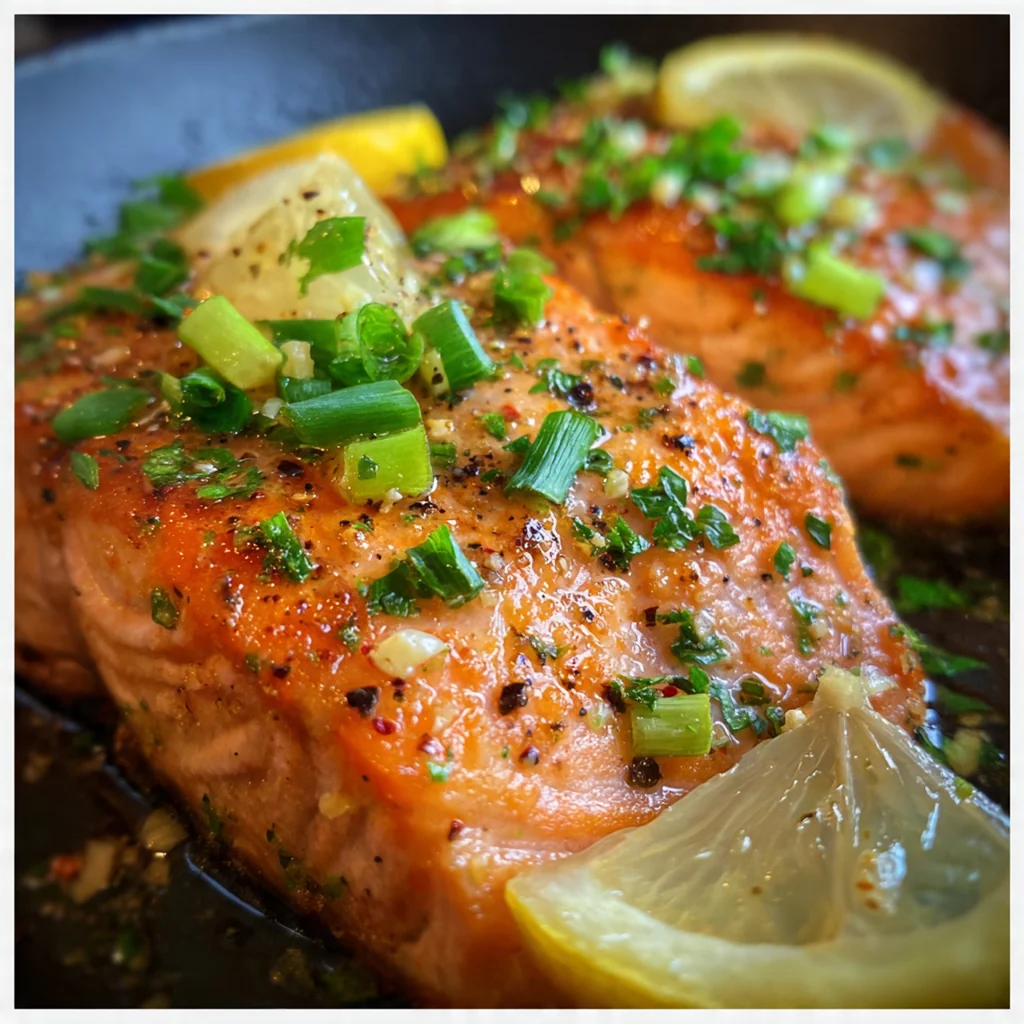
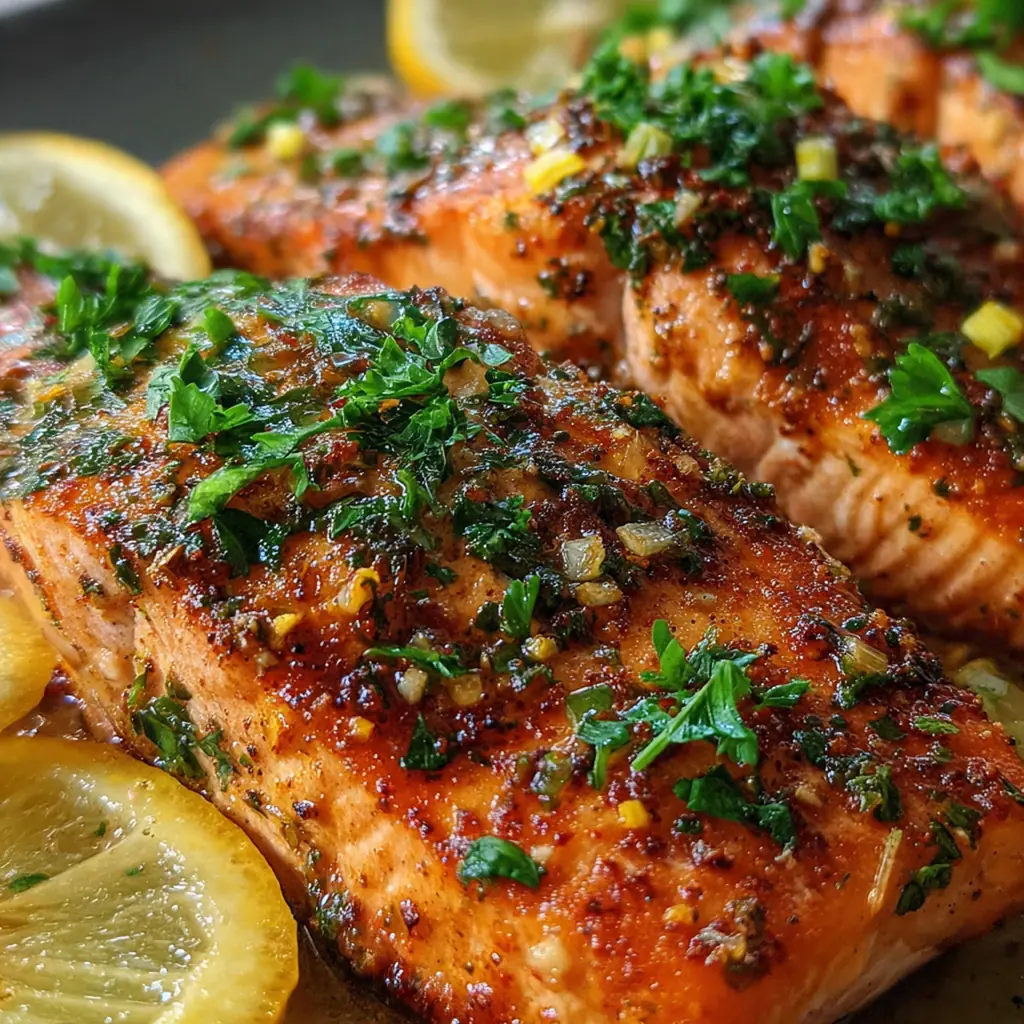
Texas Roadhouse Salmon is the copycat recipe that finally brought my favorite restaurant flavor back to my kitchen. This beloved dish features a perfectly seasoned fillet with a sticky sweet and tangy glaze that caramelizes under the broiler. The secret lies in a simple yet powerful spice rub paired with a quick homemade sauce. You’ll be amazed at how easy it is to recreate this fan-favorite any night of the week. It tastes just like the original but costs a fraction of the price.
Why You'll Love This Recipe
- Ready in under 25 minutes, perfect for busy weeknights
- Tastes exactly like the restaurant version
- The sweet and savory glaze is addictive
- Minimal prep and easy-to-find ingredients
- I make this whenever I want something impressive but easy
Ingredients You’ll Need
- Salmon fillets: The star of the show, choose bright pink fillets with no fishy smell for the best flavor. Patting them dry is the most important step for the rub to stick.
- Olive oil: Helps the spices adhere and promotes browning without burning under the high heat of the broiler.
- Garlic powder: Adds a savory, aromatic depth that pairs perfectly with the sweetness of the glaze.
- Onion powder: Provides a subtle sweetness and complexity that rounds out the spice rub.
- Paprika: Gives the salmon a beautiful color and a mild, smoky undertone.
- Salt: Essential for enhancing every flavor in the dish, from the fish to the glaze.
- Black pepper: Adds a gentle heat and sharpness that cuts through the richness of the salmon.
- Brown sugar: The key to that sticky, caramelized crust and sweet balance to the tangy glaze.
- Dijon mustard: Brings a sharp, tangy bite that prevents the glaze from being too sweet.
- Soy sauce: Delivers umami and saltiness, creating a savory foundation for the sweet elements.
- Lemon juice: Provides fresh acidity to brighten the entire dish and balance the sugar.
- Cayenne pepper: A touch of heat that wakes up the palate without being overwhelming.
- Fresh parsley: An optional garnish that adds a pop of color and a fresh, herbal finish.
- Lemon wedges: Serving these on the side lets everyone add a final burst of brightness to their liking.
How to Make It
Prep the Oven and Pan:
Start by moving an oven rack to the highest position, about 6 inches from the broiler element. Turn your broiler on high and line a baking sheet with aluminum foil for super easy cleanup. A hot broiler is essential for that restaurant-quality caramelization.
Create the Sweet Glaze:
In a small bowl, whisk together the brown sugar, Dijon mustard, soy sauce, lemon juice, and cayenne pepper. Whisk until completely smooth. This mixture will be your powerhouse sauce, so set it aside and keep it handy.
Dry the Salmon Completely:
Pat each salmon fillet thoroughly dry with paper towels. This step is absolutely crucial for getting a good sear and ensuring the glaze sticks instead of sliding off. A dry surface is the secret to avoiding steamed fish.
Apply the Olive Oil:
Rub the olive oil all over every surface of each fillet. The oil helps the spice mixture adhere and promotes that gorgeous browning under the intense broiler heat. Don’t skip this.
Mix and Apply the Spice Rub:
In a separate small bowl, combine the garlic powder, onion powder, paprika, salt, and black pepper. Generously sprinkle this spice blend on all sides of the oiled salmon, pressing gently to help it adhere. Every bite should be packed with flavor.
First Broil for Color:
Place the seasoned fillets on your prepared baking sheet. Broil for 5 minutes to start cooking the fish through and develop some initial color on the spices. The salmon should look dry and slightly golden at this stage.
Add the First Layer of Glaze:
Carefully remove the hot pan from the oven. Spoon or brush half of the glaze over the top of each fillet. Be generous but don’t go too heavy yet. Return the salmon to the oven and broil for another 3-5 minutes.
Finish with the Final Glaze:
Take the salmon out again and brush with the remaining glaze. Broil for a final 1-2 minutes. Watch it like a hawk during this step to prevent the sugar from burning. You want the glaze bubbly and caramelized.
Rest and Serve:
Remove the salmon from the oven and let it rest on the counter for 2-3 minutes. This pause allows the juices to redistribute throughout the fillet, ensuring a tender and moist result. Serve immediately with your favorite sides.
You Must Know
- Always pat the salmon dry before oiling.
- The glaze burns fast, so never leave the broiler unattended.
- Resting the fish makes it significantly more tender.
- My favorite tool is a silicone basting brush for the glaze.
Storage Tips
Store any leftover Texas Roadhouse Salmon in an airtight container in the refrigerator for up to 2 days. To keep it from drying out, reheat it gently in an oven set to 275°F for about 10 minutes or until just warmed through. You can also flake cold leftovers into a salad for a delicious next-day lunch.
Ingredient Substitutions
If you can’t find Dijon, a spicy brown mustard works well, though yellow mustard will be too sharp. For a gluten-free version of this Texas Roadhouse Salmon, simply swap the soy sauce for tamari or coconut aminos. If you want less heat, you can omit the cayenne pepper entirely without sacrificing flavor. For the garnish, cilantro can stand in for parsley if you prefer.
Serving Suggestions
Serve your homemade Texas Roadhouse Salmon alongside a loaded baked potato or creamy mashed potatoes just like the restaurant does. Steamed green beans or roasted asparagus provide a fresh, crisp contrast to the rich, sweet glaze. A simple garden salad with a vinaigrette also balances the meal perfectly.
Cultural Context
This dish perfectly captures the spirit of American casual dining, where bold flavors and satisfying portions rule the table. While the concept of glazed salmon is universal, this specific sweet and tangy profile has become a staple in steakhouses across the country. It bridges the gap between healthy eating and indulgent comfort food, making it a weeknight hero in many households.
Pro Tips
- Check the internal temp with a thermometer for perfect doneness.
- If the glaze darkens too fast, tent loosely with foil.
- A tiny squeeze of fresh lemon at the end brightens everything.
- Don’t skip the final rest, it makes the fish juicy.
- Use a meat thermometer to ensure the salmon reaches 145°F internally.
Frequently Asked Questions
For this Texas Roadhouse Salmon, skin-off fillets work best as listed in the ingredients. Fresh salmon is recommended for the best flavor and texture. You can use any variety of salmon you prefer, such as Atlantic or Sockeye, but ensure the fillets are about 6 ounces each for proper cooking time.
While Texas Roadhouse Salmon is best served fresh for optimal texture and caramelization, you can prep ahead. Mix the spice rub and glaze ingredients separately and store them in airtight containers. You can also marinate the salmon in the spice rub for up to 24 hours before cooking for extra flavor.
If you don’t have Dijon mustard, you can substitute yellow mustard or whole grain mustard in the glaze. The Dijon adds a tangy depth that complements the brown sugar, but these alternatives will still work well. You could also try a small amount of horseradish for a similar kick.
The Texas Roadhouse Salmon is ready when it flakes easily with a fork and reaches an internal temperature of 145°F. Under the broiler, this usually takes about 15 minutes as listed in the cook time. The glaze should be bubbling and caramelized. Watch closely to prevent burning the brown sugar.
Since this is an American main course, serve Texas Roadhouse Salmon with classic sides like mashed potatoes, steamed vegetables, or a baked potato. A fresh green salad or roasted asparagus pairs beautifully with the sweet and tangy flavors of the salmon glaze.