

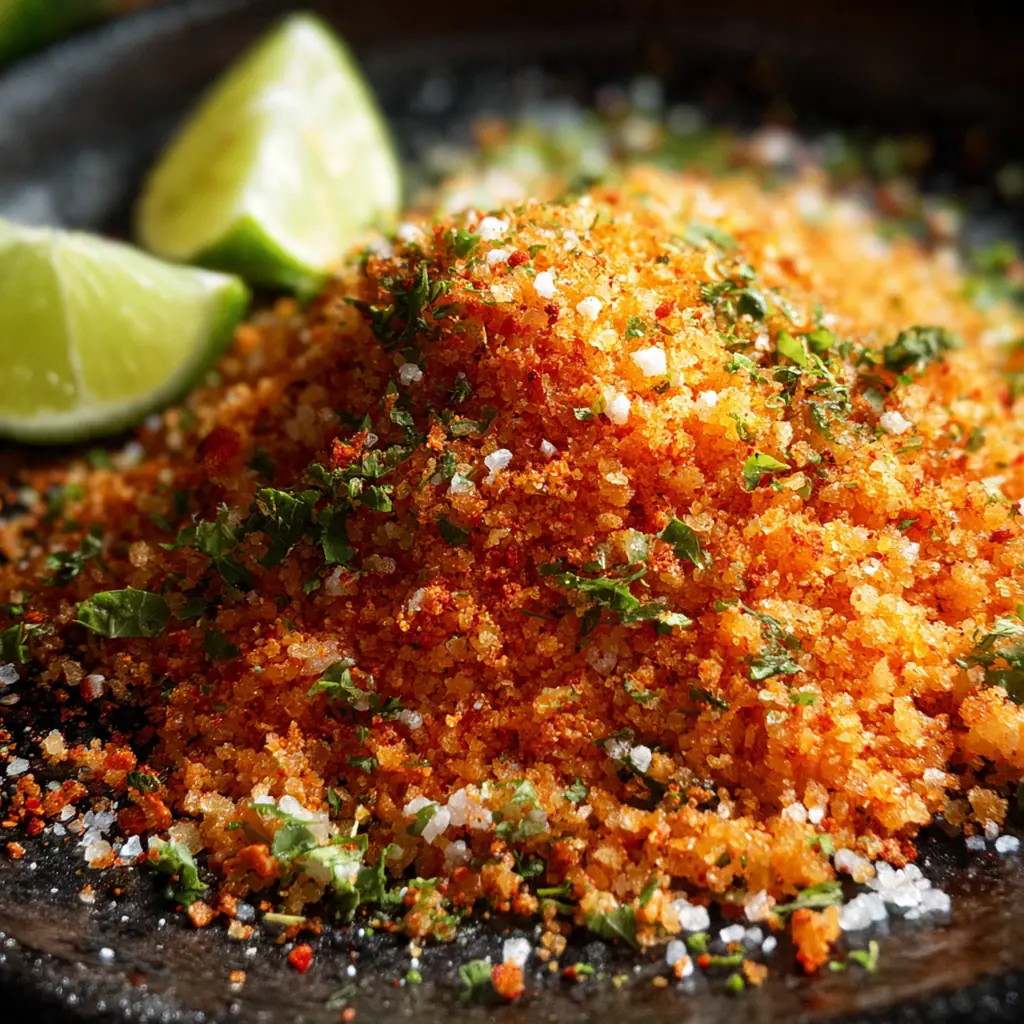
Sriracha Salt is the homemade seasoning you didn’t know your kitchen needed. This versatile blend transforms simple ingredients into a complex, spicy condiment that lasts for months. I first created a batch for a dinner party garnish and now keep it in my pantry for everything from cocktails to roasted vegetables. It brings a perfect balance of heat, salt, and subtle tang that elevates even the most basic weeknight meal. Making it yourself lets you control the flavor intensity and ensures you have a fresh supply whenever a craving hits.
Why You'll Love This Recipe
- Only 10 minutes of active work lets the oven handle the rest
- You’ll save money compared to expensive store-bought specialty salts
- Lasts up to six months in your pantry so you can make a big batch
- Customize the heat and flavor to match your personal taste
- It turns everyday eggs and veggies into something spectacular
- I gift this to my neighbors and they always ask for the recipe
Ingredients You’ll Need
- Coarse sea salt or kosher salt: The texture is key for this Sriracha salt recipe. A coarse grain holds up to the wet sauce and creates that satisfying crunch. Fine salt will dissolve and clump, so stick with coarse for the best results.
- Sriracha sauce: The star of the show bringing signature heat and tang. It acts as the binder that coats the salt and spices. Choose a brand you trust for the best flavor foundation.
- Garlic powder: Adds a savory, aromatic depth that complements the sriracha. Powder blends more evenly than fresh garlic and won’t burn during the low-temperature drying process.
- Onion powder: Contributes a sweet, savory background note. It rounds out the overall flavor profile and mixes seamlessly into the dry blend before the sriracha is added.
- White pepper: Provides a different kind of heat compared to the sriracha and black pepper. It has an earthy, complex bite that penetrates the salt mixture without overwhelming the other spices.
- Smoked paprika: Introduces a subtle smokiness and rich color. It balances the bright heat of the sriracha with a warm, earthy undertone. Look for a quality paprika for the best results.
- Brown sugar: Just a touch creates a subtle sweetness that cuts through the heat and salt. It helps the spices adhere to the salt and promotes even browning during the drying phase.
- Cayenne pepper: An optional extra for heat seekers. This amplifies the spiciness without changing the core flavor. Add it if you want your Sriracha salt recipe to pack an extra punch.
- Lime zest: A bright, citrusy option to lift all the flavors. The essential oils in fresh zest add a zing that complements the heat beautifully. Always use unwaxed fruit.
- Fresh herbs: An optional garnish that adds a pop of color and freshness. Cilantro or parsley works well. They are best used right before serving rather than mixed into the long-term storage.
How to Make It
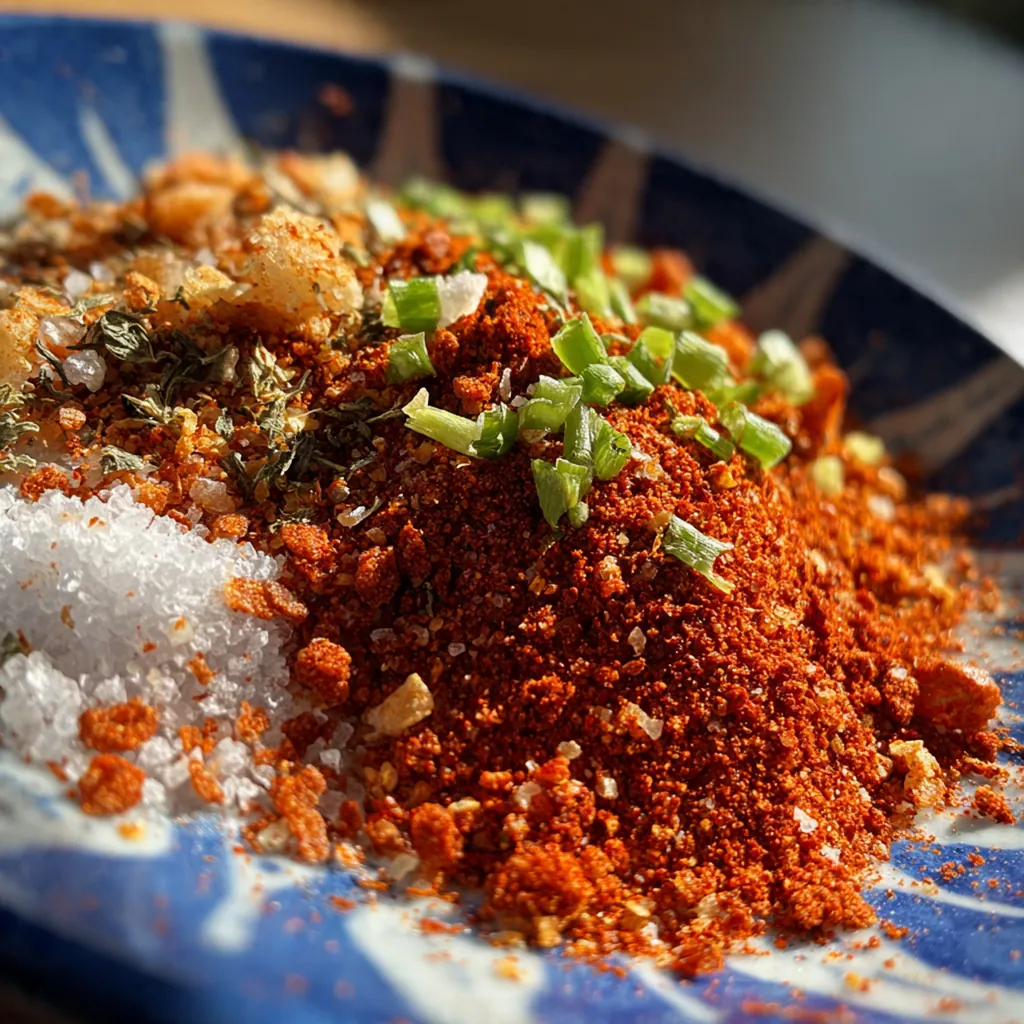
Combine Dry Ingredients: In a medium mixing bowl, combine the coarse sea salt, brown sugar, garlic powder, onion powder, white pepper, and smoked paprika. Use a whisk or fork to stir everything until the spices are evenly distributed throughout the salt. This ensures every pinch of your Sriracha salt recipe is perfectly seasoned.:
Add the Sriracha Sauce: Drizzle the sriracha sauce over the dry mixture. The sauce should thoroughly coat the salt blend, creating small clumps as you mix. This step is where the magic begins as the flavors start to meld into a cohesive, spicy paste.:
Mix and Break Clumps: Mix vigorously for 2-3 minutes, using the back of your spoon to break up any large clumps. The ideal texture resembles wet sand with some small, pea-sized clusters remaining. These clumps will dry into flavorful nuggets that add great texture to your finished salt.:
Spread for Baking: Spread the mixture in a thin, even layer on a parchment-lined baking sheet. Use your fingers to break up any large clusters before putting it in the oven. A uniform layer is essential for the low-and-slow drying process that is to come.:
Low-Temperature Drying: Preheat your oven to 200°F (95°C). This low temperature is critical for slowly drying the sriracha without scorching the delicate garlic and paprika. High heat will burn the spices and turn your Sriracha salt recipe bitter, so patience is key here.:
Bake and Stir: Bake for 3-4 hours, stirring every 45 minutes to ensure even drying. You’ll smell the aromas as it bakes. The salt is ready when it’s completely dry and crumbly to the touch, not sticky. The color should deepen to a rich reddish-brown.:
Cool Completely: Remove from the oven and let the salt cool completely on the baking sheet for about 20 minutes. The residual heat will continue drying the salt, so don’t rush this step. A warm salt will trap moisture in your storage jar.:
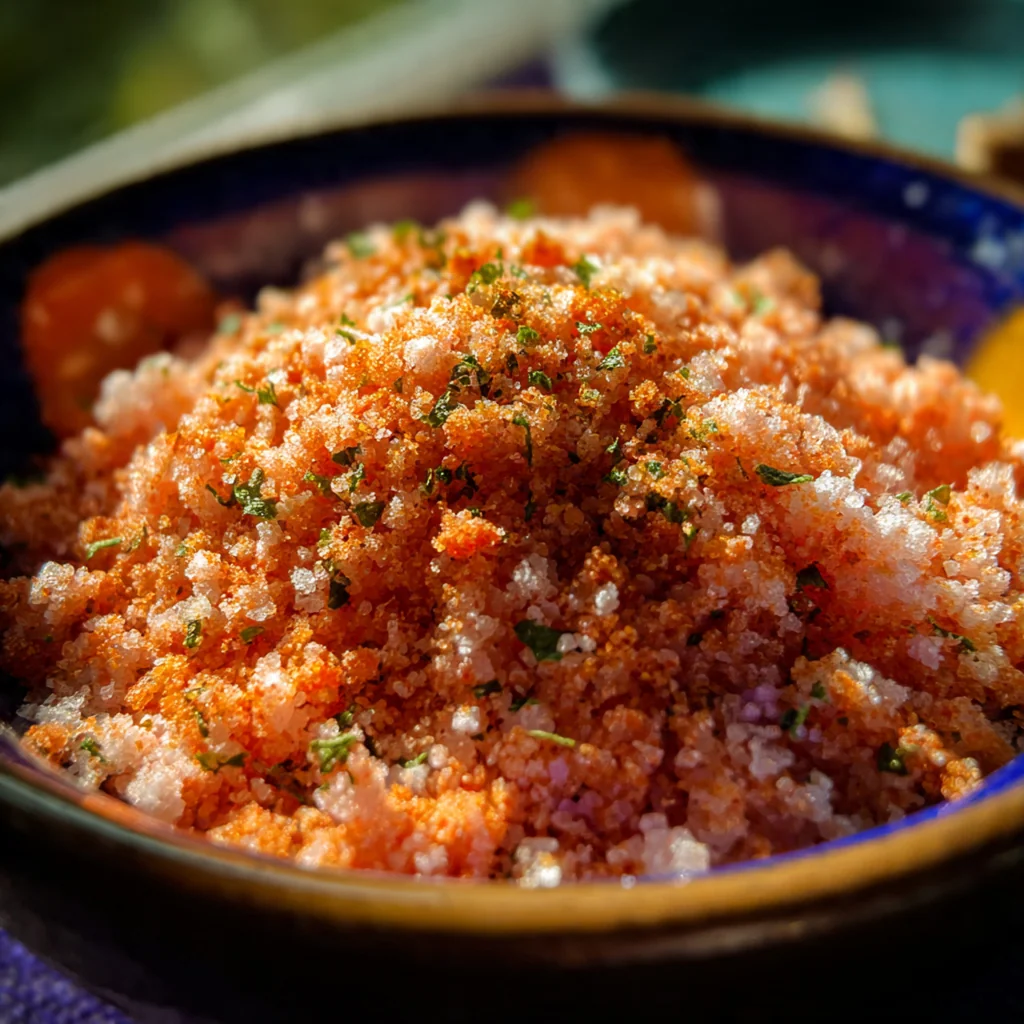
Transfer and Infuse: Transfer the cooled salt to an airtight jar or container. For the best flavor infusion, let it sit at room temperature for 24 hours before using. This resting period allows the flavors to marry and deepen significantly.:
Label and Store: Label your jar with the date. This makes a fantastic homemade gift—package it in small decorative jars with a ribbon for a personalized present. Your friends will love this unique Sriracha salt recipe.:
You Must Know
- Coarse salt is non-negotiable for texture and crunch
- Low and slow drying prevents bitter, burnt spices
- Break up clumps during baking for even drying
- Let it infuse for a full day before first use
- Store in a wide-mouthed jar for easy pinching
Storage Tips
Keep your homemade Sriracha salt in a small, wide-mouthed airtight jar in a cool, dark pantry. Properly stored, it will stay fresh and flavorful for up to 6 months. If you live in a humid climate, consider storing it in the refrigerator to prevent any clumping. Always use a completely dry spoon when scooping out what you need, as any moisture introduced to the jar can cause the salt to clump and potentially spoil. Labeling it with the date helps you keep track of its freshness.
Ingredient Substitutions
If you don’t have sriracha, you can experiment with other chili sauces like sambal oelek or a garlicky hot sauce, though the flavor profile will shift. For the salt itself, any coarse sea salt or kosher salt works well; avoid fine table salt as it will dissolve into the wet sriracha. The brown sugar can be swapped for coconut sugar or white sugar if you prefer. You can adjust the spice level by tweaking the white pepper and optional cayenne—start with less if you’re heat-sensitive and add more to taste. For the bright note, lime zest is fantastic, but lemon zest makes a great alternative if that’s what you have on hand.
Serving Suggestions
Rim the glasses for your next batch of Bloody Marys or spicy margaritas for a professional touch. Sprinkle it over avocado toast with a fried egg for a breakfast upgrade. It’s incredible on roasted vegetables, especially sweet potatoes and cauliflower, bringing out their natural sweetness with a kick of heat. Use it as a finishing salt on grilled fish or shrimp tacos, or dust it over fresh popcorn for a movie night snack. For a summer treat, try it on slices of watermelon or cucumber—the sweet and spicy combination is surprisingly addictive.
Cultural Context
This Sriracha salt recipe sits at the intersection of American innovation and Asian-inspired flavors. Sriracha itself, with its iconic rooster logo, was introduced to the American market by Vietnamese-American entrepreneur David Tran in the 1980s, though its roots trace back to a Thai coastal town. Creating a homemade seasoning blend from a condiment like this is a very American approach—taking a beloved global flavor and transforming it into a versatile pantry staple. It reflects a modern cooking trend where cooks seek to make their own condiments and seasonings for better quality, cost savings, and customization. It’s a fusion product in the best sense, combining the universal love for spicy heat with the practical need for shelf-stable flavor enhancers.
Pro Tips
- Don’t skip the low-and-slow drying; higher heat will scorch the garlic and turn it bitter
- Break up clumps frequently during drying for maximum surface area
- Test the salt after 3 hours—if it still feels damp, give it another hour
- Store in a small, wide-mouthed jar so you can easily pinch the amount you need
- I like to make a double batch because the first one disappears so fast
Frequently Asked Questions
Coarse sea salt or kosher salt is best because the larger crystals hold up well against the liquid sriracha. Fine table salt will dissolve too quickly and create a pasty texture instead of distinct, crunchy flakes.
Yes! This Sriracha Salt stores beautifully for months. After drying, keep it in an airtight container away from moisture and direct sunlight to maintain its bold flavor and crunch.
You can use other chili sauces like sambal oelek or gochujang for a similar heat profile. You might need to adjust the brown sugar slightly depending on the sweetness of the substitute you choose.
The salt is ready when it’s completely dry to the touch and crumbles easily, which takes about 4 hours at low heat. It shouldn’t feel sticky or damp at all—any moisture means it needs more drying time.
This Asian Fusion seasoning is perfect for rimming cocktail glasses, seasoning roasted vegetables, or adding a kick to proteins like grilled chicken, fish, or steak. It’s also fantastic on popcorn or french fries.