

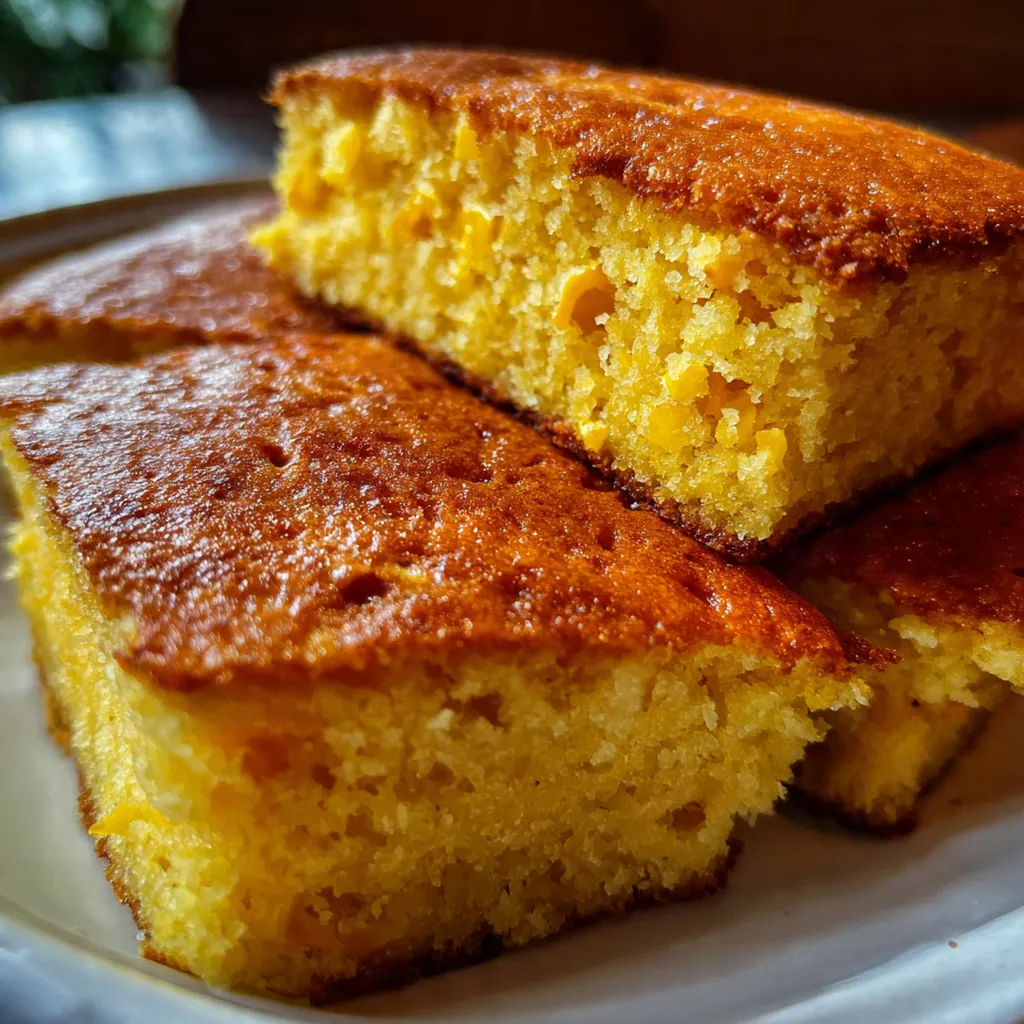
This Grandmothers Buttermilk Cornbread is more than just a side dish—it’s a slice of Southern tradition, baked until golden and crispy in a cast iron skillet. My own grandmother’s well-worn recipe card is the inspiration, capturing that perfect balance of a shatteringly crisp crust and a tender, cake-soft interior. As a staple of American Southern cuisine, its magic lies in the tangy buttermilk and the sizzle of batter hitting a hot, well-seasoned pan. The aroma alone will transport you straight to a cozy, welcoming kitchen.
Why You'll Love This Recipe
- You get that iconic crispy, golden crust with every single bite
- It stays incredibly moist and tender for days thanks to the buttermilk
- It uses simple pantry ingredients for a comforting, no-fuss bake
- The hot skillet method is a game-changer for texture and flavor
- I can’t imagine a family dinner without it
Ingredients You’ll Need
- Yellow cornmeal: stone-ground is the traditional choice for its hearty texture and robust corn flavor, which gives the bread its signature character and a pleasant little grit.
- All-purpose flour: this creates the perfect structure alongside the cornmeal, ensuring your bread is sturdy enough to slice but still wonderfully light.
- Granulated sugar: just a bit balances the cornmeal’s earthy notes with a touch of sweetness, making it versatile enough for any meal.
- Baking powder and baking soda: this powerful leavening duo guarantees a good rise and an airy, tender crumb that isn’t at all dense.
- Salt: a crucial flavor enhancer that makes all the other ingredients sing and keeps the bread from tasting flat.
- Buttermilk: well-shaken buttermilk provides a tangy complexity and reacts with the baking soda to create lift, plus it keeps the crumb super moist.
- Large eggs: beaten eggs bind the batter and contribute to the rich, golden color and tender structure of the finished bread.
- Unsalted butter: melted butter adds a rich, creamy flavor and ensures every bite is luxuriously soft and never dry.
- Bacon grease: using this to grease the hot skillet infuses the crust with an irresistible, savory depth that’s pure Southern magic.
- Fresh or frozen corn kernels: an optional add-in for bursts of sweet corn flavor and a delightful pop of texture in every slice.
- Honey butter: a simple mix of softened butter and honey makes the ultimate spread, melting into the warm bread for pure bliss.
How to Make It
Heat Your Skillet:
Start by placing your empty cast iron skillet in the oven and preheating everything to 425°F. This step is non-negotiable for achieving that signature crispy bottom crust. A piping hot pan is your secret weapon here, so give it a full 10 minutes to get blazing hot while you mix the batter.
Mix Dry Ingredients:
In a large bowl, whisk together the cornmeal, flour, sugar, baking powder, baking soda, and salt. You want everything evenly distributed so there are no pockets of baking soda in your finished bread. I like to give it a good 30-second whisk to ensure it’s perfectly homogenous.
Combine Wet Ingredients:
In a separate medium bowl, whisk the buttermilk, beaten eggs, and melted butter until the mixture is completely smooth and uniform. This ensures the fat is fully emulsified, which helps create an even, tender texture throughout the cornbread.
Gently Fold Batter Together:
Pour the wet ingredients into the dry ingredients and use a wooden spoon to stir until just combined. A slightly lumpy batter is exactly what you want—overmixing leads to toughness. If you’re adding corn kernels, fold them in gently at the very end.
Grease The Hot Skillet:
Carefully pull the hot skillet from the oven using thick oven mitts—it will be extremely hot. Add the bacon grease or butter and swirl it around until the bottom and sides are fully coated. You’ll hear it sizzle immediately, which is exactly what you want.
Pour And Bake:
Immediately pour your batter into the prepared skillet; it should sizzle right when it hits the pan. Quickly transfer it to the oven. Bake for 20 to 25 minutes until the top is a deep golden brown and a toothpick inserted in the center comes out clean.
Cool And Slice:
Let the cornbread cool right in the skillet for at least 5 to 10 minutes before you try to slice it. This resting period allows it to set fully, so it won’t crumble when you cut into those perfect wedges.
Serve Warm:
Slide a spatula around the edges and underneath to release it from the pan, then cut it into wedges. Serve it warm so the butter melts right in. That first bite of the crisp, savory edge is always the best part.
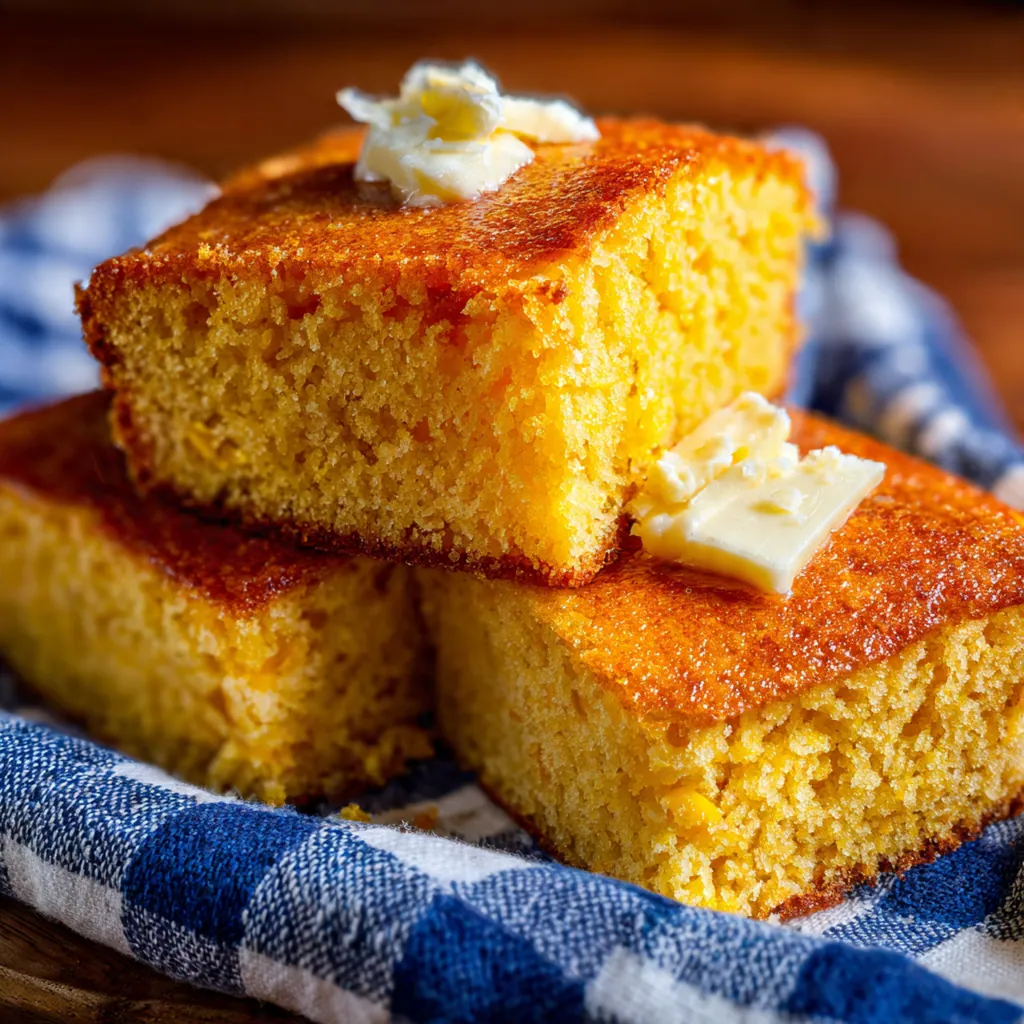
You Must Know
- Preheating the cast iron skillet is the key to the crispy crust
- Don’t overmix the batter—lumps are your friend
- Let it cool for a few minutes before slicing for clean edges
- The optional corn kernels add wonderful texture and sweetness
- My family fights over the corner pieces
Storage Tips
Once your Grandmothers Buttermilk Cornbread has cooled completely, store any leftovers in an airtight container at room temperature for up to two days. For longer storage, wrap it tightly and keep it in the fridge for up to five days, though the texture is best within the first couple of days. You can also freeze individual slices wrapped in plastic and sealed in a freezer bag for about three months. To bring back that just-baked warmth and revive the crisp crust, reheat slices in a toaster oven or a dry skillet over medium heat until warm throughout.
Ingredient Substitutions
If you don’t have buttermilk on hand, you can make a great substitute by adding one tablespoon of lemon juice or white vinegar to a cup of regular milk and letting it sit for five minutes until it curdles slightly. For a gluten-free version, swap the all-purpose flour with a trusted one-to-one gluten-free baking blend, though the texture might be a bit more crumbly. While you can use vegetable oil or more butter, the bacon grease truly adds an authentic, savory flavor that’s hard to beat. Dairy-free alternatives like plant-based milk and vegan butter work in a pinch, but keep in mind you’ll lose some of the classic tang that real buttermilk provides.
Serving Suggestions
This cornbread is the ultimate companion to a big bowl of hearty chili or a plate of saucy BBQ ribs where it soaks up every drop. It’s also fantastic with classic Southern sides like collard greens, black-eyed peas, or a pile of crispy fried chicken for a truly comforting meal. For a simple treat, enjoy a warm wedge all on its own with a generous smear of honey butter, or even crumble it over a bowl of pinto beans. I love it for breakfast too, lightly toasted and served alongside scrambled eggs and sausage patties.
Cultural Context
This style of cornbread, baked in a cast iron skillet, is deeply rooted in the American South where it was a daily staple for generations, valued for being inexpensive, filling, and incredibly versatile. The use of buttermilk was a practical choice, often made from the leftover liquid after churning butter, and it provided a welcome tang that plain milk couldn’t match. Preheating the skillet with a bit of fat, sometimes bacon drippings saved from breakfast, wasn’t just for non-stick purposes—it created that essential crispy crust that defines a proper Southern cornbread. Passing a recipe like this down through a family wasn’t just about sharing food; it was about preserving a tangible piece of home and history, one golden wedge at a time.
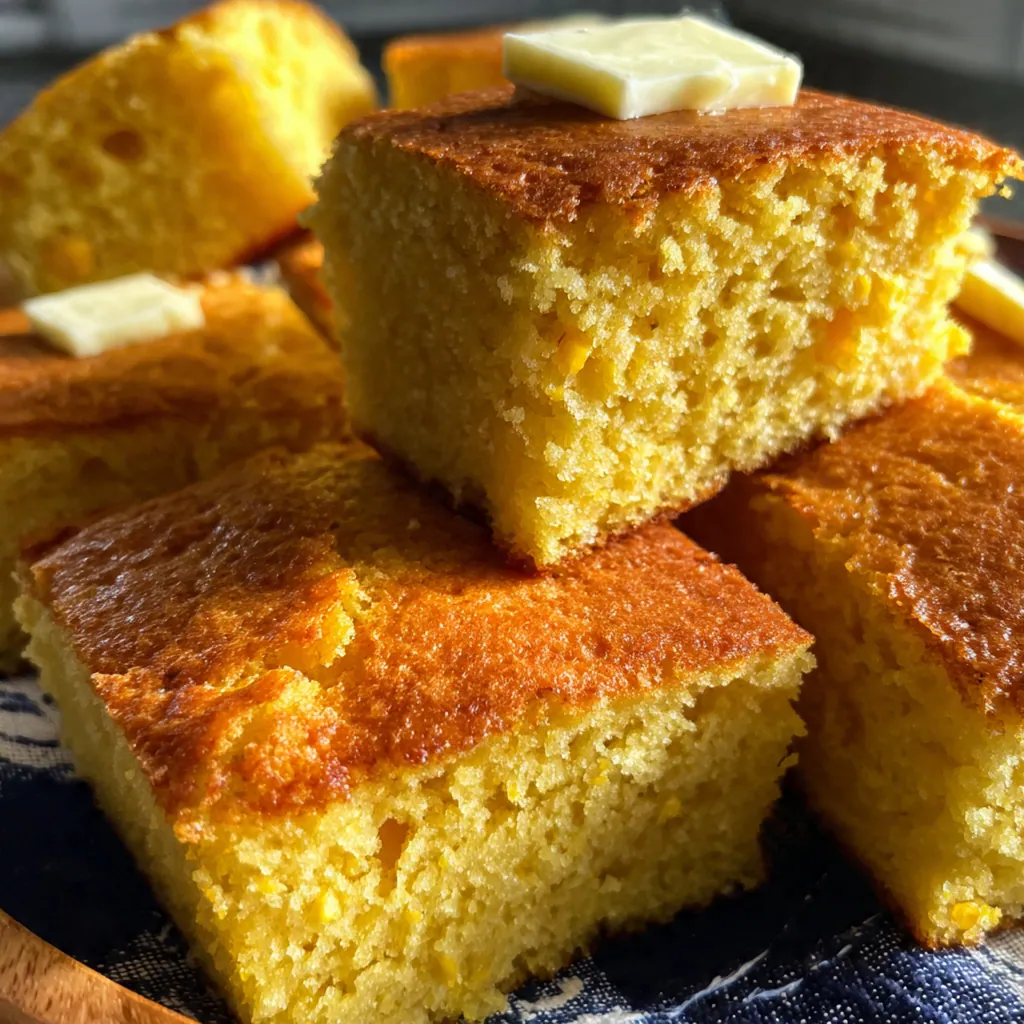
Pro Tips
- Use a well-seasoned cast iron skillet for the best non-stick surface and flavor
- Let your eggs and buttermilk come to room temp for a more even bake
- Check for doneness at 20 minutes to avoid overbaking
- The sizzle when batter hits the pan is the sound of success
- I always double the recipe for leftovers—they never last
Frequently Asked Questions
For the best texture and authentic Southern flavor, stone-ground yellow cornmeal is highly recommended. It has a coarser grind that gives Grandmothers Buttermilk Cornbread its signature hearty crumb. Regular yellow cornmeal will also work if that’s what you have on hand.
Yes, you can bake Grandmothers Buttermilk Cornbread a few hours ahead. For the best texture, let it cool completely, then wrap it tightly in foil. Reheat it in a warm oven for 5-10 minutes to restore the crispy crust before serving.
You can make a quick buttermilk substitute by adding 1 tablespoon of lemon juice or white vinegar to 1 cup of regular milk and letting it sit for 5 minutes. This will provide the acidity needed to react with the baking soda and create a tender crumb for your Grandmothers Buttermilk Cornbread.
Grandmothers Buttermilk Cornbread is done when the top is a deep golden brown, the edges have pulled away slightly from the skillet, and a toothpick inserted into the center comes out clean, which takes about 25 minutes in a preheated oven.
This classic American Southern side dish pairs wonderfully with chili, barbecue, fried chicken, collard greens, or a hearty bean soup. It’s also fantastic slathered with butter and honey for a simple, comforting snack.